
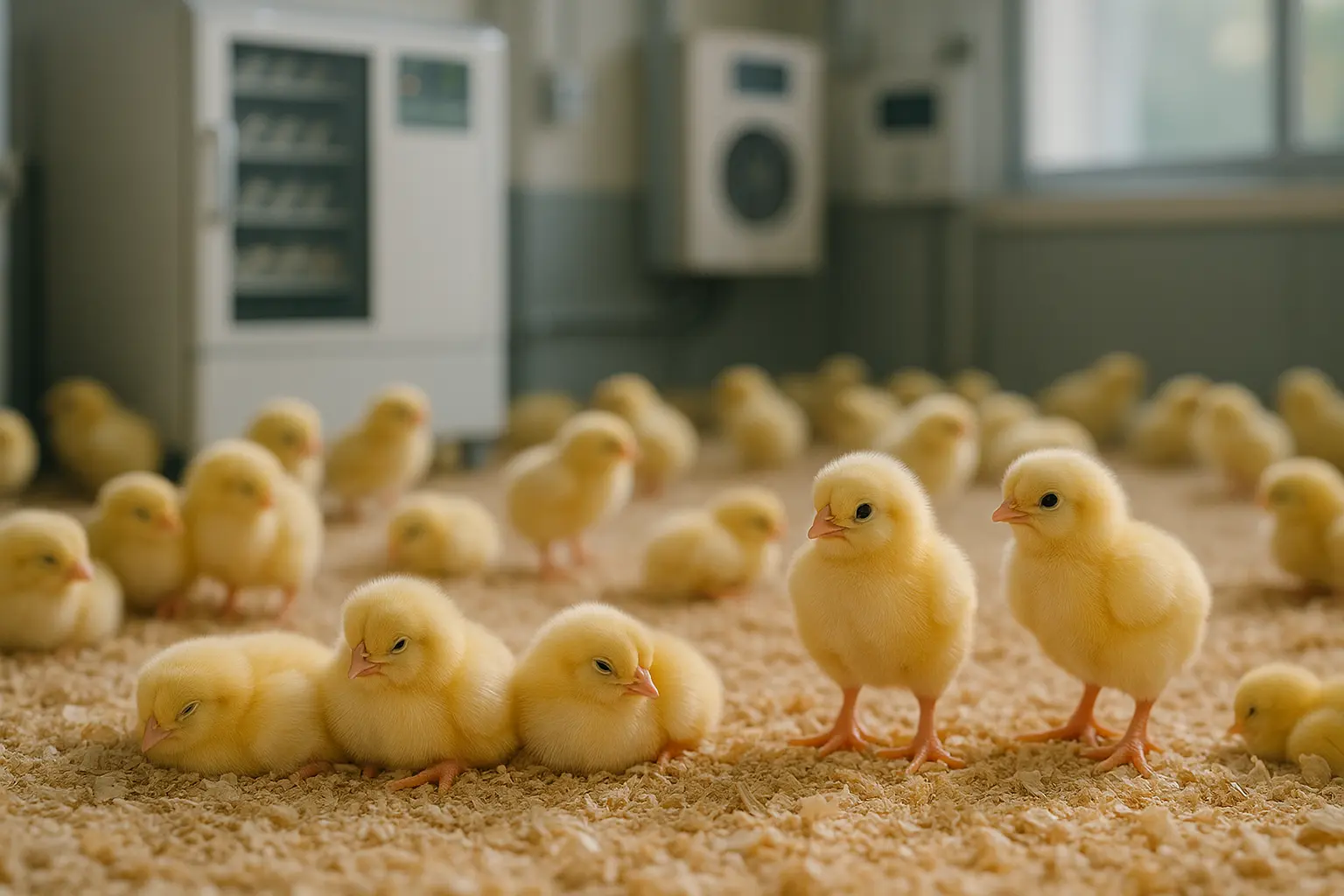
Have you ever marveled at the wonder of a newly hatched chick emerging from its egg, ready to begin its journey towards becoming a robust broiler? These delicate creatures, barely a day old, hold the promise of future agricultural success when nurtured under ideal conditions. Yet, this success hinges on the meticulous care taken at the hatchery stage. As farmers and enthusiasts, we must recognize the profound influence the hatchery environment has on day-old chicks. Let’s explore how each element, from temperature to nutrition, plays a pivotal role in determining the health and performance of our feathered friends.
The Hatchery’s Role in Optimizing Chick Development
The hatchery environment is the cradle of life for our day-old chicks, serving as the starting line for their growth journey. Here, temperature regulation becomes a vital parameter. Ensuring the incubators are set to the right warmth imitates the natural heat eggs receive under a hen, optimizing the internal development of the chicks. Constant monitoring of these conditions is crucial to avoid temperature fluctuations that can lead to chick deformities or reduced vitality.
Moreover, the concept of early nutrition can’t be overstated. While traditional practices may have involved waiting a day or two before feeding, modern insights underscore the benefits of providing nutrients immediately after the chicks hatch. This approach ensures they have the energy reserves needed for their critical first few hours of life. At this juncture, water also plays a non-negotiable role, helping in preventing dehydration and bolstering metabolic processes.
Effective hatcheries are those that maintain strict hygiene protocols. Cleanliness prevents pathogen exposure, which could compromise chick health. Regular sanitization, meticulous handling of the chicks, and biosecurity measures ensure that potential threats are kept at bay, allowing the hatchlings to thrive in a safe environment.
Ultimately, the synergistic effect of proper temperature control, immediate nutrition, and stringent hygiene practices forms the foundation for healthy, vibrant broilers. As we delve deeper, we’ll uncover how early interventions significantly shape the futures of these delicate creatures.
The Science Behind Temperature and Chick Health
Temperature control within the hatchery isn’t just about comfort; it’s a science that directly impacts chick viability and overall performance. Let’s delve into how this crucial element shapes the health of day-old chicks.
Why Temperature Matters:
The ideal temperature for incubating chicken eggs ranges between 99.5°F to 100.5°F. This precision ensures proper embryonic development, which is pivotal in preventing premature hatching or extended incubation periods—both of which can lead to weakened chicks.
Once the chicks hatch, maintaining an ambient temperature, usually around 95°F, is essential to prevent stress and promote stability. Inconsistencies can lead to chilling or overheating, both of which can have severe consequences on chick health, such as stunted growth or increased vulnerability to diseases.
Addressing Real-World Challenges:
In large-scale hatcheries, achieving uniform temperature distribution can be challenging. However, modern technology offers solutions: advanced incubators with built-in sensors to adjust conditions dynamically, ensuring every egg receives the warmth it needs.
Routine checks and maintenance of these systems are paramount. Any deviation could compromise the entire batch, leading to significant losses.
In essence, mastering temperature control in the hatchery plays a crucial role in laying a solid foundation for robust chick development. With the right environment, our young broilers can grow into the healthy poultry that every farmer dreams of.
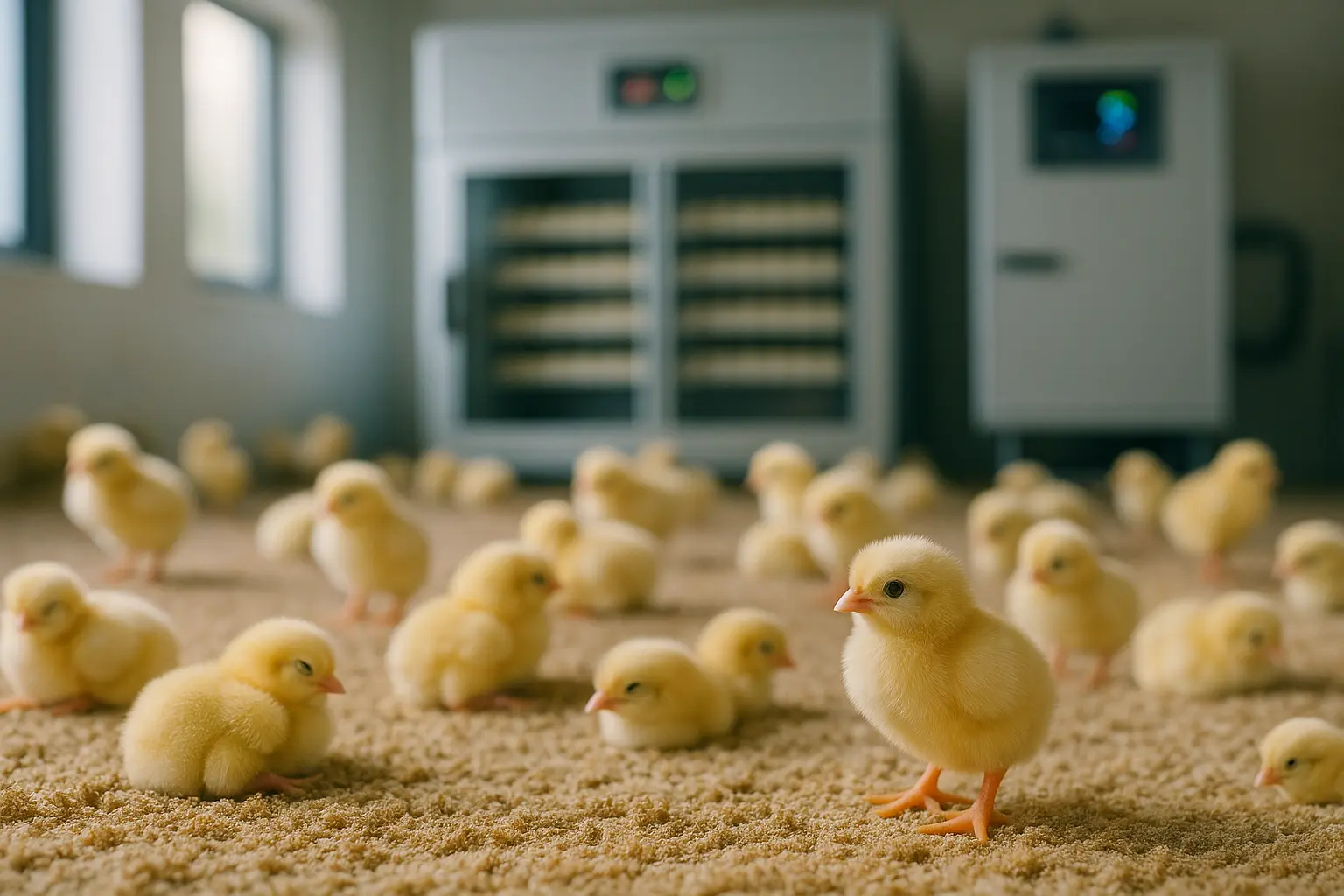
Delving into Nutrition: The First Feed
Nutrition is a cornerstone of poultry farming, and its significance begins the moment the chick breaks out of its shell. Understanding the science of early feeding can spell the difference between vigorous growth and underwhelming outcomes.
The Significance of Early Nutrition:
As soon as our chicks hatch, they enter a world where nutrition is their life fuel. The practice of early feeding—introducing nutrients within the first 24 hours—facilitates the development of the digestive system and enhances the immune response.
Initial feeds often comprise high-energy starter crumbs, rich in essential proteins and vitamins. These feeds are formulated to mirror the nutrients the chicks would naturally receive from the yolk during the first few days.
Water: The Elixir of Life:
Just as important as the first feed is the access to clean, fresh water. Water is critical in ensuring the chicks stay hydrated and function optimally. Without sufficient hydration, even the most nutritious feed cannot perform its intended function.
Farmers must ensure water sources are readily available and at the right temperature. Chilled water can be as detrimental as no water at all, potentially leading to decreased feed intake and sluggish performance.
Providing the right start with optimal nutrition prepares chicks for a future filled with potential. By recognizing the importance of this early intervention, we’re paving the way for healthy, high-yielding broilers.
Harnessing the Power of Early Interventions
The initial days of a chick’s life are pivotal. They lay the groundwork for future health, growth, and performance. Thus, understanding the role of early interventions is crucial in guaranteeing our broilers thrive.
Strategic Timing:
Timing plays directly into the success of early interventions. Implementing protocols within the first few hours post-hatching sets the stage for robust development. These efforts include seamless transitions from hatchery to farm, minimizing stressors, and adapting feeds to cater to the specific nutritional needs of young chicks.
Customizing Care:
The journey from hatchery to farm should be smooth and well-regulated. Minimizing stress is critical, as any disruptions can impact the chicks’ immune systems and growth trajectories. Care measures include proper transportation conditions, such as consistent temperatures and reduced handling.
A successful intervention strategy involves understanding the specific needs of different breeds and customizing care accordingly. Each breed has unique requirements, and tailoring interventions can ensure all chicks reach their full potential.
By valuing early interventions, we’re investing in the future of poultry farming. These measures aren’t merely tasks to complete but rather are integral components of a successful poultry operation.
As we conclude our exploration into the world of day-old chicks, it becomes evident that the hatchery environment is more than just a starting point—it’s the bedrock upon which healthy broilers are built. By understanding and optimizing factors such as temperature, nutrition, and early interventions, we can significantly elevate the health and performance of our flocks.
The journey from egg to thriving chick is a meticulous one. Through dedication to detail and commitment to best practices, we ensure the future of poultry farming is bright and productive. Each element of the hatchery environment plays a crucial role, and as stewards of these delicate creatures, it’s our responsibility to provide the conditions for them to flourish.
Let us take this knowledge forward, empowering us to craft more sustainable, efficient, and successful farming operations. By nurturing our chicks from their very first day, we are not just raising broilers but fostering the future of agriculture itself.
https://www.youtube.com/watch?v=CyTsvpO1JJU
FAQ
1. Why is the hatchery environment crucial for the health of day-old chicks?
The hatchery environment plays a pivotal role in the early development of chicks as it directly impacts their health and vitality. A well-maintained environment ensures proper temperature, humidity, and air quality, which are essential for the chicks’ survival and growth.
2. What are the critical environmental factors in a hatchery that affect chick health?
Key environmental factors include maintaining optimal temperature, ensuring proper ventilation, controlling humidity levels, and providing adequate lighting. These elements collectively influence the chicks’ immune system, growth rate, and overall well-being.
3. How does temperature control in hatcheries influence chick development?
Temperature control is vital as it regulates the metabolic rate of the developing embryo. Consistent temperatures prevent stress, promote healthy growth, and reduce the risk of developmental abnormalities. Deviations can lead to poor hatch rates and weakened chicks.
4. What role does humidity play in the hatchery environment?
Humidity is critical for ensuring proper moisture levels in the eggs, which affects the chicks’ ability to hatch successfully. Incorrect humidity can lead to dehydration or excess moisture, resulting in reduced hatchability and compromised chick health.
5. Can poor air quality in hatcheries impact the health of day-old chicks?
Yes, poor air quality can lead to respiratory issues and infections in newly hatched chicks. Adequate ventilation helps maintain clean air, removes harmful gases, and reduces the risk of disease transmission, fostering a healthier start for the chicks.