
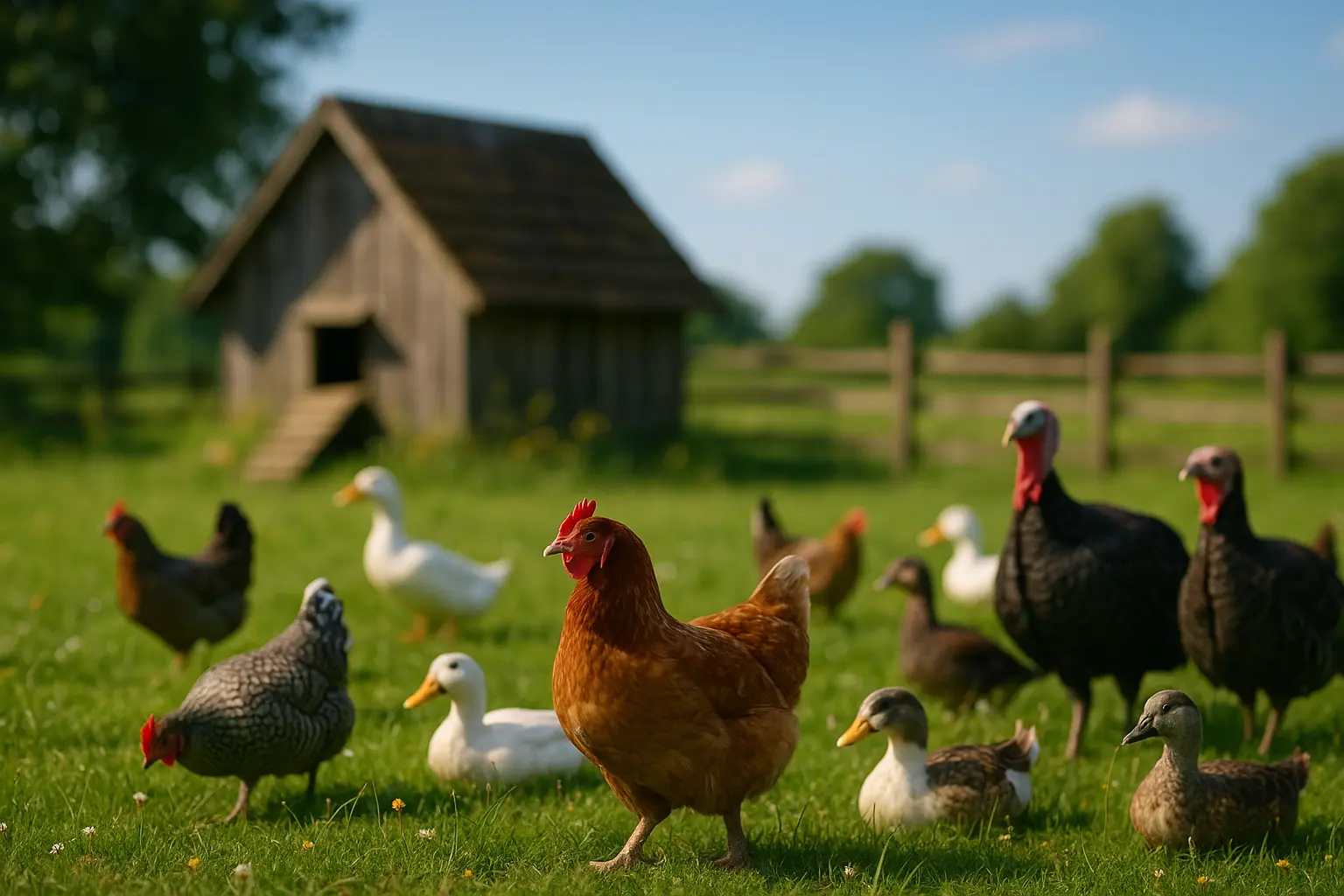
In the age of organic farming and self-sustainability, selecting the right breed of poultry is more than just a hobby—it’s a lifestyle choice. Whether you’re aiming for a flock that provides an endless supply of fresh eggs, delicious meat, or a breed that offers both, understanding the nuances of different chicken types is crucial. As we delve into this topic, we’ll explore the myriad of choices available, ensuring you make an informed decision suitable for your needs. Welcome to the world of poultry, where every cluck holds the promise of nourishment.
Laying Breeds: Maximizing Egg Production
When it comes to chickens bred for egg production, the focus is straightforward: consistent and abundant egg-laying. Breeds like the Leghorn and Rhode Island Red are renowned for their prolific laying capabilities.
The Leghorn, a breed characterized by its white feathers, is a prime choice for those focused on high egg production. Known for producing large white eggs, these birds are efficient layers, often laying over 280 eggs annually. Their active nature and moderate food consumption make them a preferred choice for those looking to maximize output with minimal input.
On the other hand, the Rhode Island Red, with its striking brown plumage, is a dual-purpose breed that excels in both egg and meat production. However, its true prowess is evident in the egg department, producing an impressive number of brown eggs each year. This breed is not only hardy but also adaptable to various climates, making it a versatile choice for backyard enthusiasts.
Incorporating these laying breeds into your coop aligns with the goal of achieving a steady supply of fresh eggs. Their ability to adapt to different living conditions while maintaining high productivity levels affirms their status as essential residents in any egg-focused flock.
Meat Breeds: Focusing on Quality and Size
If your primary aim is to produce succulent, high-quality meat, then focusing on meat-specific breeds is key. These breeds are specifically developed to grow large quickly and efficiently, providing a significant amount of meat per bird.
The Cornish Cross is the heavyweight champion in the meat category. Known for its rapid growth rate, this breed can reach processing weight in as little as eight weeks. The birds provide a substantial amount of white meat, particularly in the breast area. Their fast-growing nature means they consume more feed, but the output is worth the investment.
Another excellent option is the Jersey Giant. As the name suggests, these chickens are among the largest breeds available. While their growth rate isn’t as rapid as the Cornish Cross, they offer tender meat and impressive size, making them a worthwhile consideration for those seeking a hardy, manageable bird.
Choosing the right meat breed involves understanding your goals and resources. If space and feed constraints aren’t an issue, then these large breeds can be a rewarding addition to your flock, offering a steady source of meat for your family or market sale.
Dual-Purpose Breeds: Achieving the Best of Both Worlds
For those who can’t choose between eggs and meat, dual-purpose breeds offer a balanced solution. These breeds provide both high-quality eggs and a substantial amount of meat, making them a popular choice for smallholders and backyard enthusiasts alike.
The Plymouth Rock is a classic example of a dual-purpose breed. Known for its striking barred plumage, this breed is both a reliable layer and a good source of meat. Plymouth Rocks are known for their friendly nature, making them ideal for family settings.
Sussex is another dual-purpose breed that brings value to the table. With its ability to lay a substantial number of eggs and its sizeable meat yield, the Sussex is versatile and adaptable. Its calm demeanor makes it a favorite among those who appreciate a flock that’s both productive and easy to manage.
Opting for dual-purpose breeds means embracing diversity in your poultry endeavors. Such breeds cater to the need for fresh eggs while ensuring your table is never short of high-quality meat. It’s a harmonious blend that supports both culinary and self-sufficient ambitions.
Bantams: Small Birds with a Big Impact
For those with limited space or a penchant for unique breeds, bantams are a delightful choice. While smaller than their full-sized counterparts, bantams bring charm and utility to any setting.
Bantams like the Silkie are admired for their fluffy plumage and gentle temperament. Though they lay fewer eggs than standard breeds, their eggs are known for their richer taste. Silkies are also known for their broodiness, making them excellent mothers and fostering a natural lifecycle within your flock.
Another popular bantam is the Seabright. These exquisite birds, with their ornate feathers, are often kept for ornamental purposes but also contribute with their small eggs. Their presence in any garden adds vibrancy and character, appealing to bird enthusiasts and novices alike.
Choosing bantams means selecting a breed that offers more than just productivity. It’s about appreciating the aesthetic and interactive experience they bring. Whether you’re drawn to their ornamental beauty or their ability to thrive in compact spaces, bantams prove that even small birds can have a significant impact.
Building Your Flock: Combining Breeds for Optimal Results
Creating a diverse flock involves more than just selecting one type of breed. By combining different breeds, you can optimize production and create a harmonious environment that caters to various needs.
Consider mixing a few Leghorns for consistent egg production, with some Cornish Cross for meat. Adding a Plymouth Rock or Sussex can fulfill dual-purpose needs, ensuring you’re never short of eggs or meat. For a touch of character and charm, bantams like Silkies or Seabrights can complete the picture.
The key to a successful mixed flock is understanding the temperament and needs of each breed. Ensure that housing and feeding strategies cater to the varied demands of your flock, promoting a healthy and cohesive environment.
By thoughtfully combining breeds, you create a dynamic and productive backyard setting that fulfills a range of culinary and lifestyle desires. It’s about crafting a living ecosystem that brings joy, sustenance, and a sense of accomplishment.
In the diverse world of poultry, your choices can shape a lifestyle rich in both flavor and fulfillment. Selecting the right breed is about aligning your preferences with the unique qualities each bird offers. Whether you’re captivated by the promise of endless fresh eggs, the allure of succulent meat, or the delight of variety, there’s a breed for every aspiration. As you embark on this journey, let your flock be a reflection of your values, offering sustenance, charm, and endless enjoyment. In a world that prizes self-sufficiency and quality, your choice of poultry is more than just a decision—it’s a statement of intent.
FAQ
What factors should I consider when selecting a poultry breed for meat production?
When choosing a breed for meat production, look for those known for rapid growth and high body mass. Consider the feed conversion efficiency, temperament, and the specific climate requirements of the breed. Common meat breeds include Cornish Cross and Jersey Giant.
Which poultry breeds are best for consistent egg production?
For reliable egg production, opt for breeds known for laying large quantities of eggs consistently. Examples include the Leghorn, known for its high egg yield, and the Rhode Island Red, which offers both good egg production and hardiness.
Are there breeds that are suitable for both meat and egg production?
Yes, dual-purpose breeds are ideal for those seeking both meat and eggs. Breeds such as the Sussex and Plymouth Rock are valued for their balance of decent meat yield and consistent egg production.
How does climate impact the choice of poultry breed?
Climate plays a significant role in breed selection. Some breeds are better adapted to cold climates, such as the Orpington, while others thrive in warmer conditions, like the Leghorn. It’s essential to choose a breed that can comfortably adapt to your local weather conditions.
What are some signs of a healthy poultry breed?
A healthy poultry breed will exhibit bright eyes, smooth feathers, and a good posture. They should be active, have a healthy appetite, and show no signs of illness or distress. Regular health checks and vaccinations are also crucial for maintaining flock health.