
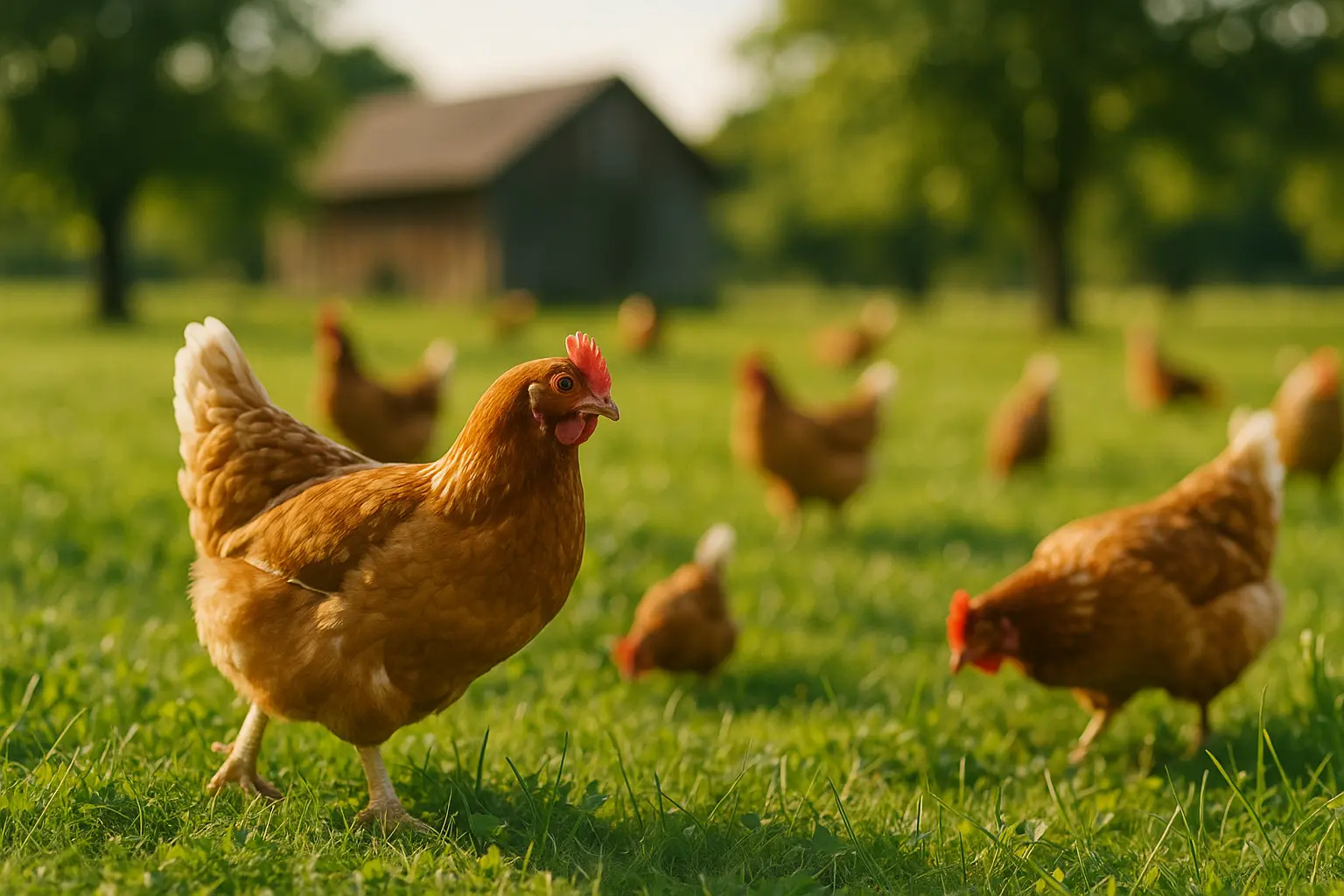
In the fast-paced world we live in, the welfare of animals, particularly in poultry production, demands our attention. The quality of life for these birds is not just a matter of compassionate farming but also influences the effects on overall livestock health and productivity. As conscientious consumers and producers, understanding the dynamics of animal welfare and its standards is paramount. Can we harness the power of Google-driven research alongside traditional farming wisdom to create a harmonious environment for our feathered friends? Let’s explore how free-range conditions, water management, and effective transport solutions can elevate animal care to new heights.
Understanding Animal Welfare in Poultry
When it comes to poultry farming, the term animal welfare often sparks a multitude of questions. What does it mean for a chicken’s daily life, and how does it differ from traditional farming methods? As we delve into the core of poultry welfare, it’s critical to recognize the standards set by leading agricultural bodies and how farmers can comply with them.
Animal welfare is about ensuring that poultry live in an environment that caters to their physical and psychological needs. This involves providing ample space, access to natural light, and a diet that meets their nutritional requirements. Through these, we aim to improve the quality of life for birds, fostering a healthier, more productive livestock population.
Incorporating modern technology, such as data analytics derived from Google-based systems, can help us track and enhance these conditions. While the road to implementing these standards may seem challenging, it’s a crucial step towards achieving a balance between production needs and ethical farming practices.
Creating a Comfortable Environment
A comfortable environment is the cornerstone of poultry welfare. Providing birds with a free-range lifestyle is not just trendy but beneficial. It enhances the animal welfare standards by allowing chickens to express natural behaviors such as dust bathing and foraging.
Ensuring adequate water availability is another critical factor. Clean water contributes to the overall quality of life and production levels. Farmers should regularly monitor water quality, implementing filtration systems if necessary, to maintain optimal conditions.
Temperature regulation also plays a vital role. Overheated or chilly environments can lead to stress-related issues among birds. Utilizing renewable energy sources, such as solar panels, can help maintain a balanced climate while being environmentally conscious.
By constructing well-ventilated shelters and using eco-friendly materials, farmers can significantly reduce the ecological footprint, creating a sustainable farm environment that meets ethical standards as well as production goals.

The Impact of Group Dynamics
To truly understand the effects of animal welfare on poultry, we must explore the dynamics of social interactions within groups. Chickens are naturally social creatures, and their interactions can significantly influence their happiness and health.
Grouping birds appropriately, considering factors such as age, size, and temperament, can minimize conflicts and reduce stress. Maintaining optimal group sizes prevents overcrowding, which can lead to aggressive behavior and injuries.
Moreover, observing birds and understanding their pecking order allows farmers to intervene when necessary, removing overly aggressive or submissive chickens to maintain harmony within the flock.
Encouraging natural behaviors through enrichment activities, such as providing perches and dust baths, enhances the overall well-being of the flock. By creating an environment that mimics natural social structures, we nurture healthier, more resilient poultry populations.
Effective Transport Solutions
Transportation is an inevitable part of poultry production, and how it is managed can have lasting impacts on animal welfare. The effects of transport on birds are profound, influencing both immediate well-being and long-term health.
A critical factor in ensuring the well-being of animals during transport is minimizing stress. This can be achieved through adequate planning and preparation. Choosing the right time of day to travel, preferably early morning or late afternoon, can reduce heat stress associated with high temperatures.
Using appropriately designed transportation vehicles, equipped with adequate ventilation and temperature control, can significantly enhance comfort levels. Additionally, reducing transit time is vital, as prolonged journeys can lead to dehydration and exhaustion.
Adhering to regulatory standards and guidelines, such as those established by the CLS (Center for Livestock Studies), ensures that farmers maintain a high level of animal welfare throughout the transportation process.
The future of poultry production hinges on our commitment to animal welfare. By embracing modern technology, ethical practices, and scientifically backed standards, we can craft a landscape where birds thrive and production goals are met sustainably. As we continue to learn and adapt, let’s champion a culture of innovation and compassion in farming, ensuring the well-being of our feathered friends today and for generations to come. Together, we can revolutionize the way we care for our livestock, creating a brighter, more humane future for all.
FAQ
What are some basic steps to enhance animal welfare in poultry farming?
To improve welfare, ensure chickens have enough space to move around, access to clean water, and a balanced diet. Regular health checks and maintaining a clean living environment are also crucial.
How can I ensure the chickens have a comfortable living environment?
Ensure proper ventilation and temperature control in the coop to prevent overheating or chilling. Use natural lighting and provide adequate perches and nesting areas for comfort.
What role does diet play in the well-being of poultry?
A balanced diet rich in essential nutrients supports the overall health, growth, and productivity of poultry. Providing a variety of grains, proteins, and fresh greens promotes better welfare.
How frequently should poultry be checked for health issues?
Regular health checks should be conducted daily to identify any signs of illness or injury early. This allows for prompt treatment and prevents the spread of diseases.
What measures can be taken to reduce stress in poultry?
Minimize handling, provide a stable and quiet environment, and avoid overcrowding to reduce stress. Enrichment activities like dust baths and foraging opportunities can also help maintain mental well-being.