
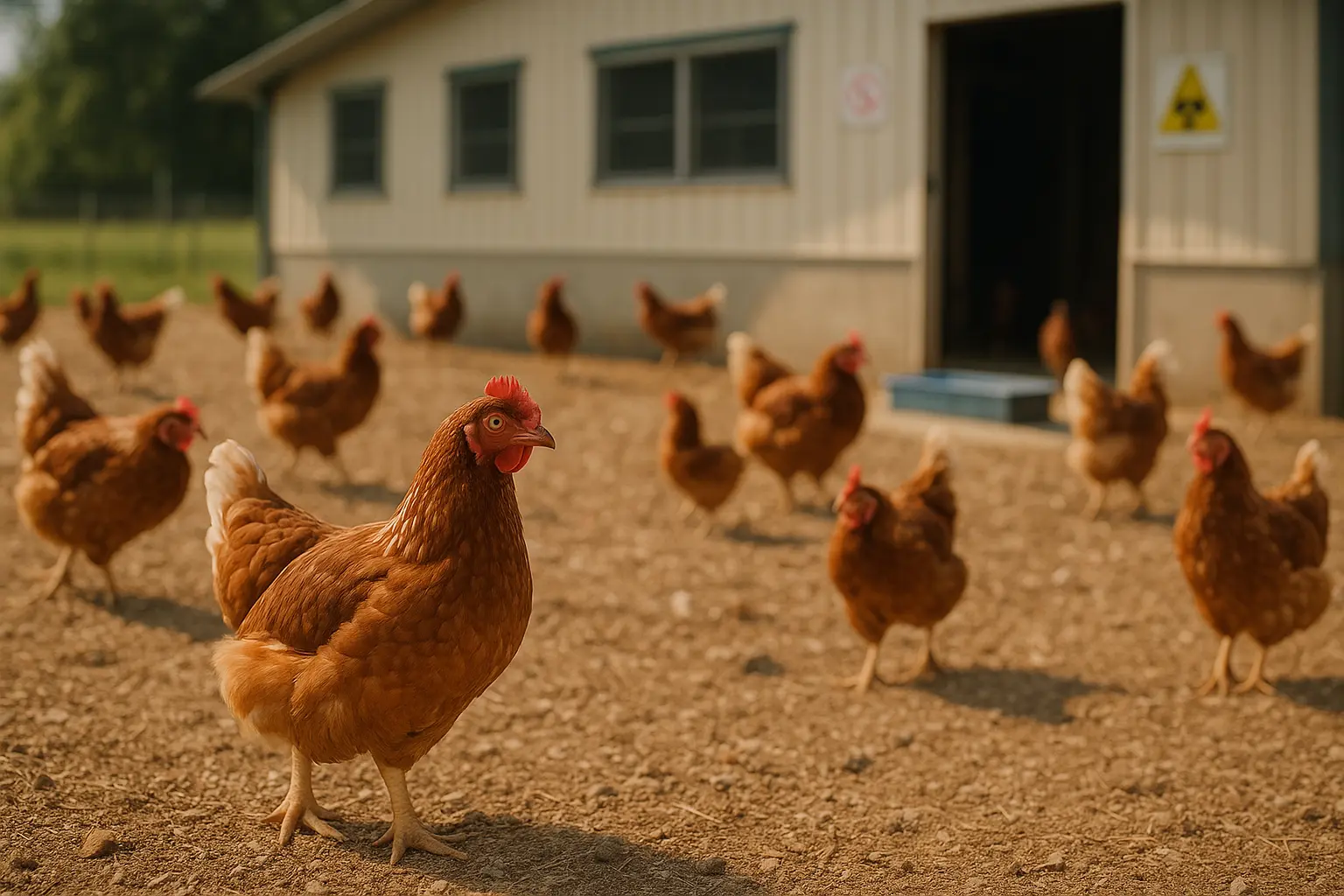
In today’s interconnected world, ensuring biosecurity is not just a precaution—it’s an unequivocal necessity. Every poultry farm is a thriving ecosystem, a delicate balance of life where health and production are interwoven. As farmers, your commitment to safeguarding your birds from diseases such as avian influenza is crucial, not only for your livelihood but for the health of the global animal community. Let us delve into the essentials of establishing a robust biosecurity plan, a guiding light for your farm’s prosperity.
Understanding Biosecurity: The First Line of Defense
biosecurity, the practice of protecting your poultry farm from harmful biological agents, stands as a fortress against disease outbreaks. A well-structured biosecurity plan is your farm’s first line of defense, a barrier that shields your birds from potential threats. When we talk about biosecurity, we’re referring to a comprehensive approach that involves measures such as controlling farm access, managing waste, and monitoring the health of your poultry.
In the poultry industry, diseases can spread like wildfire. One sick bird can lead to a devastating outbreak, affecting not only your production but also impacting surrounding farms. Livetec, a leader in biosecurity solutions, offers insights into creating effective preventive strategies tailored to your farm’s unique needs. By adopting these practices, you ensure that your poultry thrives in a healthy, disease-free environment.
Implementing Your Biosecurity Plan: Key Precautions
Crafting a biosecurity plan is one thing; implementing it effectively is another. As farmers, you must be vigilant and proactive in executing these preventive measures. Begin by controlling access to your farm. Limit entry to essential personnel only, and ensure they wear appropriate protective clothing and footwear. Establish designated clean and dirty zones to prevent cross-contamination.
Regular health monitoring of your birds is paramount. Conduct routine checks for any signs of illness and implement quarantine protocols for new stock. It also entails maintaining cleanliness within and around the poultry houses, from proper waste disposal to regular disinfection of equipment.
Additionally, educate everyone involved in the farm about the significance of biosecurity. A well-informed team is better equipped to implement and adapt to your plan, ensuring your farm remains a beacon of health and productivity.
The Role of Technology in Enhancing Biosecurity
In an era where technology transcends boundaries, integrating tech solutions into your biosecurity efforts can elevate your farm’s safety standards. Innovative tools and data analytics have revolutionized the poultry industry, making it easier for farmers to monitor and manage disease risks in real time.
Using sensors and automated systems, you can track environmental conditions within your farm, ensuring that your birds are housed in optimal conditions. These technologies can alert you to deviations that might encourage disease spread, allowing for immediate corrective actions.
Moreover, digital platforms provide a network for farmers to share information, exchange best practices, and collaborate on solutions to common challenges. Harnessing these technologies not only enhances your farm’s biosecurity but also fosters a culture of cooperation and innovation within the poultry community.
Learning from Past Outbreaks: Case Studies and Lessons
History has taught us that disease outbreaks can have catastrophic consequences, both economically and socially. By examining past incidents, we gain valuable insights into implementing more effective biosecurity measures. The 2024 avian influenza outbreak in Southeast Asia serves as a poignant reminder of how swiftly a disease can decimate poultry populations.
From this event, we learn the importance of rapid response mechanisms and the value of rigorous biosecurity protocols. Farmers who had established comprehensive biosecurity plans were able to mitigate losses and protect their flocks. This highlights the necessity of not only having a plan but ensuring its adaptability to evolving disease threats.
Learning from such case studies equips you with the knowledge to anticipate potential risks and reinforces the role of proactive measures in safeguarding your farm.
Building a Resilient Future: Commitment to Biosecurity
As stewards of the land and guardians of your animals, your dedication to biosecurity is pivotal in building a resilient future. By consistently updating your biosecurity plan and staying informed on emerging threats, you play an integral role in promoting health and sustainability not only on your farm but across the industry.
Collaboration with organizations like Livetec and participation in workshops and seminars can provide you with the latest advancements and insights. This continuous learning and adaptation ensure that your farm is always equipped to handle any biosecurity challenge that may arise.
We stand at a crossroads where proactive biosecurity isn’t just a choice—it’s a responsibility. As you continue on this journey, remember that every precaution you take contributes to a healthier world for both humans and animals alike.
As we look to the future, biosecurity remains a cornerstone of sustainable poultry farming. By embracing innovative solutions and learning from past experiences, you fortify your farm against potential threats. Your unwavering commitment to these principles not only ensures the health of your birds but also upholds the vitality of the wider ecosystem.
Together, as vigilant guardians of animal health, let us continue to champion biosecurity, paving the way for a future where our farms thrive, unburdened by the shadow of disease.
FAQ
What is biosecurity, and why is it crucial for poultry farms?
Biosecurity refers to the strategies and measures implemented to protect poultry farms from infectious diseases, pests, and contaminants. It is crucial because it safeguards the health of the birds, ensures consistent production, and minimizes economic losses.
How can I minimize the risk of disease introduction on my poultry farm?
To minimize disease risk, implement strict access controls, ensure all visitors and staff follow hygiene protocols, regularly disinfect equipment, and maintain clean housing conditions. Additionally, quarantine new birds before introducing them to the existing flock.
What are some key elements of an effective biosecurity plan for a poultry farm?
An effective biosecurity plan includes controlled access to the farm, proper sanitation and hygiene practices, regular health monitoring of birds, vaccination programs, and training for all farm personnel on biosecurity protocols.
How often should biosecurity measures be reviewed and updated on a poultry farm?
Biosecurity measures should be reviewed and updated regularly, ideally on a semi-annual basis or whenever there are changes in farm operations, new disease threats, or updates in industry standards. Continuous evaluation ensures the farm remains protected.
What role does staff training play in maintaining biosecurity on a poultry farm?
Staff training is vital as it ensures that everyone understands and adheres to biosecurity protocols. Proper training reduces the risk of human error, enhances disease prevention efforts, and fosters a culture of vigilance and responsibility among workers.