
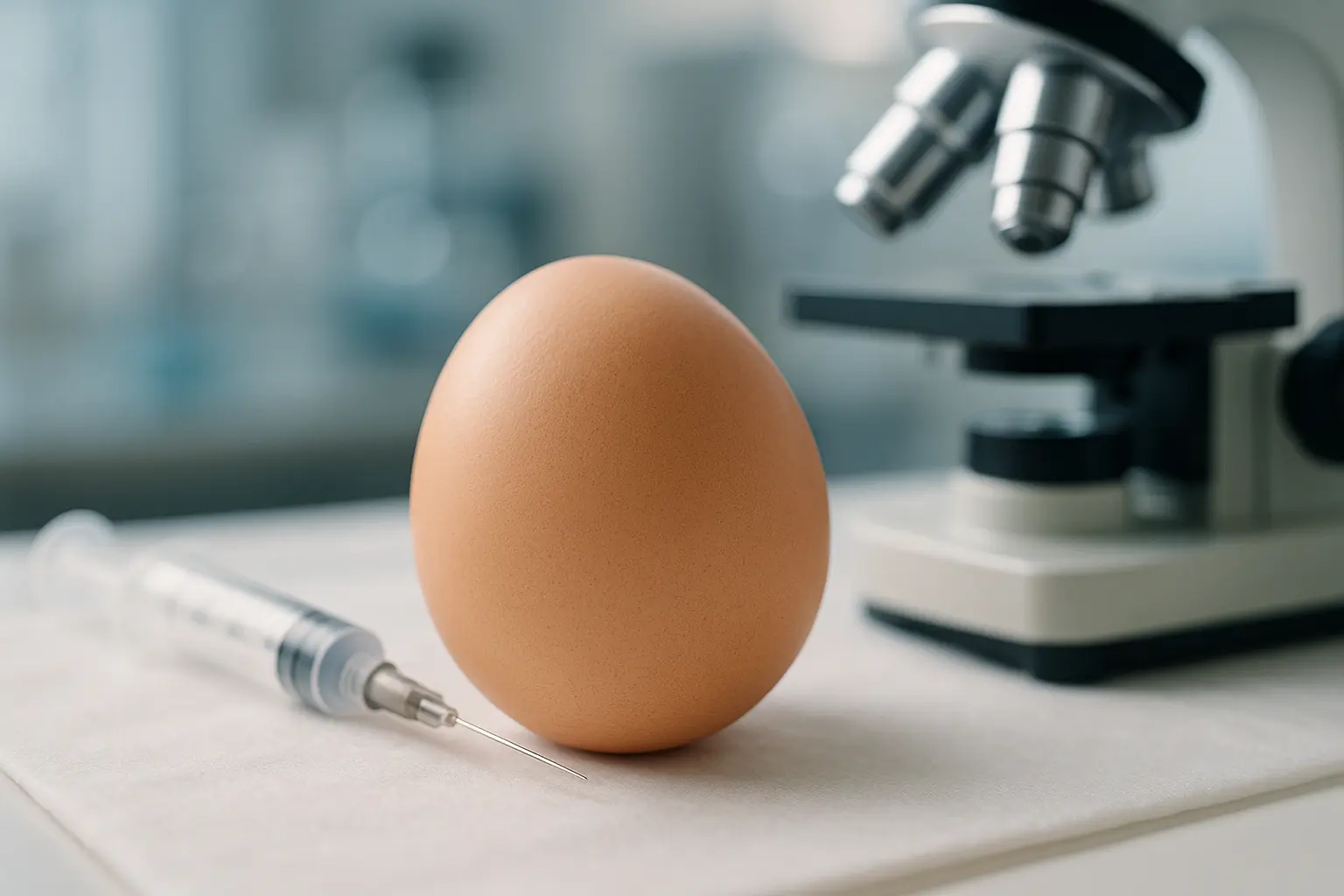
Vaccination has revolutionized the world of poultry farming, offering a shield against devastating diseases. One such method, in ovo vaccination, has opened up new avenues for mass immunization. Picture this: a seamless process where chicks receive their first defense against viruses before even hatching. This strategy has significantly reduced mortality rates and improved production outcomes, ensuring a healthier flock. However, the success of this approach can be undermined by common mistakes. We must delve into these pitfalls to ensure optimal results and safeguard our flocks. In this article, we’ll dissect the intricacies of in ovo vaccination and provide guidance to sidestep potential missteps.
Understanding In Ovo Vaccination
The concept of in ovo vaccination is a testament to human ingenuity. By administering vaccines directly into the egg, we ensure that chicks are armed with an initial antibody defense against pathogens. This technique predominantly applies to poultry on a commercial scale, focusing on diseases such as Newcastle Disease Virus (NDV), which poses a significant threat to avian populations.
The success of in ovo vaccination hinges on precise execution. The vaccine, typically a live virus, is injected into the amniotic fluid or embryo itself. This early exposure stimulates the chick’s immune system, enabling the production of antibodies ready to ward off infections post-hatch. However, a misstep in timing or technique could render the vaccine ineffective or even harmful.
It’s crucial to appreciate the nuances of this procedure. The window for effective in ovo vaccination is quite narrow—usually between 18 to 19 days of incubation. This means we must carefully monitor embryo development to ensure the right moment for intervention. Scholars have emphasized the fine balance required: injecting too early may harm the embryo, while a delay might result in insufficient immunity development.
Common Pitfalls in In Ovo Vaccination
While the promise of in ovo vaccination is enticing, mistakes can undermine its effectiveness. One common error is inconsistency in vaccine administration. We must ensure that each egg receives the correct dose of vaccine, which demands precision in both equipment and operator proficiency. Incorrect dosage can lead to incomplete immunity or even challenge the embryo’s survival.
Another prevalent issue is the sterilization of equipment. The use of contaminated needles or injection devices can introduce harmful bacteria, leading to higher mortality rates among the vaccinated chicks. This underscores the importance of stringent hygiene practices in preventing secondary infections.
Timing errors also plague many operations. As previously mentioned, the critical window for administration means we must be vigilant in monitoring the developmental stage of our embryos. Misjudging this timing can result in inadequate vaccine uptake, leaving our birds vulnerable to disease post-hatch.
Lastly, selecting the inappropriate vaccine strain can lead to ineffective immunization. We must remain informed of the prevailing pathogen strains in our region, ensuring that the vaccines we employ are equipped to combat the right viral variants.
Best Practices for Successful In Ovo Vaccination
A successful in ovo vaccination program begins with education and training. Operators must be well-versed in handling both the equipment and the eggs. Investing time in training reduces errors and enhances outcome reliability. It’s vital for personnel to understand the ramifications of each step in the process.
We should employ high-quality, calibrated equipment that ensures uniform vaccine delivery. Modern automatic injectors are designed to minimize human error and guarantee consistent dosage. Keeping these tools in peak condition through regular maintenance is non-negotiable.
Sterility cannot be overstated. Regular sanitization of injection equipment, coupled with a clean and controlled environment, is crucial. Implementing a robust sterilization protocol minimizes the risk of contamination and enhances chick survival rates.
Monitoring embryo development with precision is critical. By maintaining optimal incubation conditions, including temperature and humidity, we ensure embryos reach the ideal development stage for vaccination.
Finally, stay informed. The landscape of poultry diseases is dynamic, necessitating regular updates on prevalent strains and vaccine efficacy. Collaborate with veterinary experts and researchers to ensure our vaccination strategies are up-to-date and informed by the latest scientific insights.
Emerging Advances in In Ovo Vaccination
The field of in ovo vaccination is not static; it’s continually evolving. Recent advances have introduced innovations that promise to enhance the effectiveness and ease of the vaccination process. One of the emerging trends is the use of recombinant vaccines, which offer broader protection by targeting multiple pathogens simultaneously.
Another exciting development is the integration of technological advancements like automated injection systems that are increasingly precise. These systems reduce the dependency on human operators while ensuring consistent administration.
Additionally, the exploration of new adjuvants aims to boost the immune response elicited by in ovo vaccines. These substances enhance the body’s recognition of the vaccine, thereby enhancing the immune system’s ability to produce protective antibodies.
We are also witnessing efforts to broaden the range of diseases that can be targeted through in ovo methods. This diversification is particularly important as the poultry industry continues to grapple with emerging and evolving viral threats.
To stay ahead, adopting these innovations is crucial. By embracing cutting-edge research and technology, we can ensure our flocks are better protected against the ever-looming threat of infectious diseases.
Navigating the world of in ovo vaccination requires a keen eye for detail and a commitment to excellence. While challenges exist, the rewards of an effectively vaccinated flock are manifold. By avoiding common pitfalls and embracing best practices, we can safeguard our birds from pervasive diseases, ensuring robust health and productivity.
As we look to the future, the ongoing advancements in technology and vaccine development present new opportunities to enhance our vaccination strategies. By staying informed and adapting to these changes, we cultivate a resilient poultry industry, shielded from the threats that lurk just beyond the coop. Let us continue to champion innovation, fortified by knowledge and driven by the desire to protect our flocks and secure our food supply.
In this journey, every step counts. With precision, diligence, and a commitment to learning, we can pave the way for a brighter future in poultry health.
FAQ
What are the most common errors encountered during in ovo vaccination?
Common errors include improper handling of eggs, incorrect vaccine dosage, and inadequate sanitation procedures. Each of these can lead to ineffective vaccination and potential health issues for the chicks.
How can improper handling of eggs during in ovo vaccination affect the outcome?
Rough or improper handling can cause cracks or damage to the eggshell, leading to contamination or loss of vaccine efficacy, and ultimately, decreased hatchability and chick viability.
Why is the correct dosage of vaccine crucial in in ovo vaccination?
Administering the wrong dosage can either result in insufficient protection if too low or potential toxicity and adverse reactions if too high. Accurate dosing ensures optimal immune response and chick health.
What role does sanitation play in the success of in ovo vaccination?
Proper sanitation prevents the introduction of pathogens during the vaccination process. Contaminated equipment or environments can lead to infections, compromising both the vaccine’s effectiveness and the health of the developing chicks.
How can one ensure the equipment used for in ovo vaccination is functioning correctly?
Regular maintenance checks and calibration of equipment are essential. This ensures that vaccines are delivered accurately and consistently, reducing the risk of errors and improving overall vaccination success.