
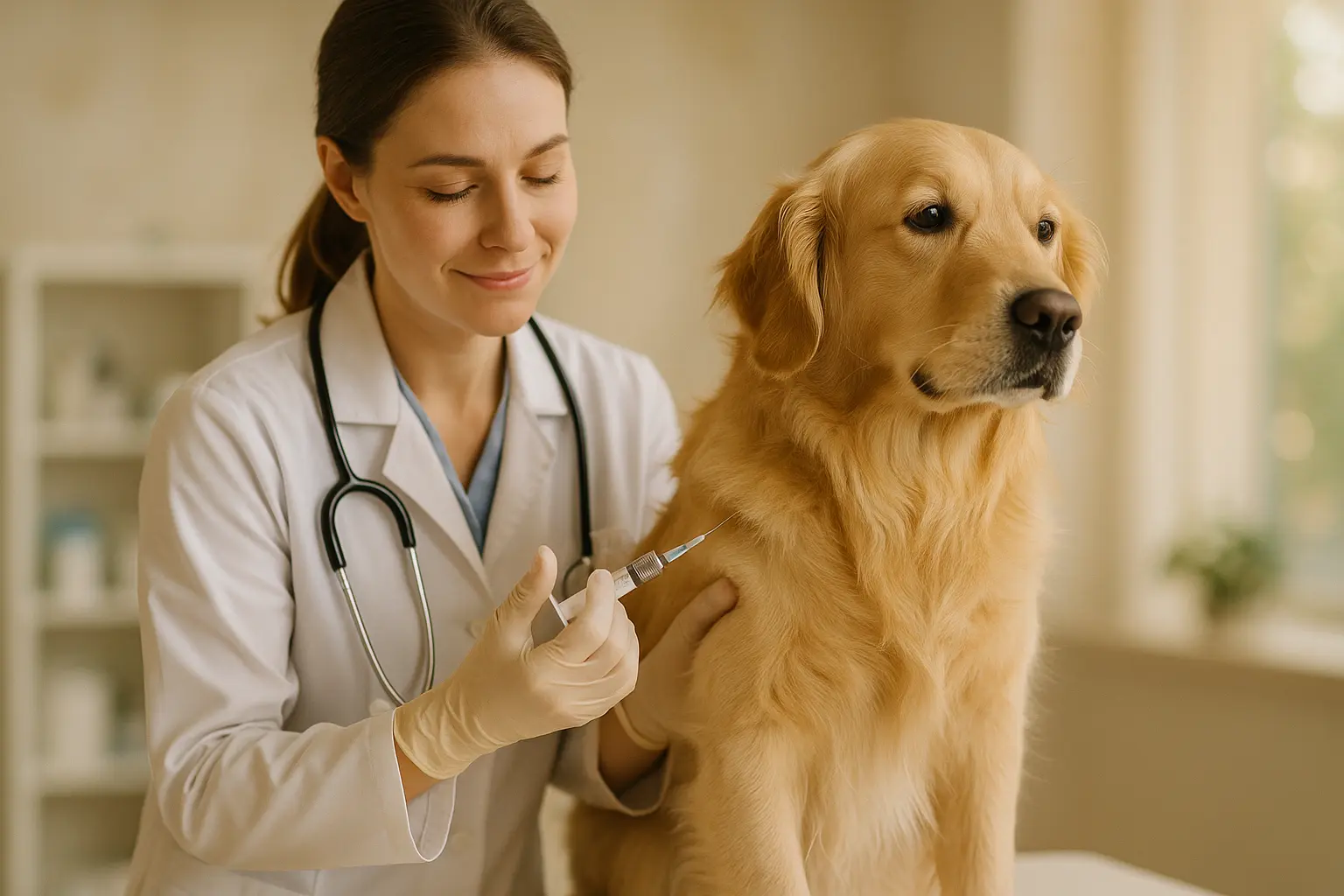
As guardians of our furry, feathered, and scaly companions, we often grapple with ensuring their welfare in the face of health challenges. Vaccination is a cornerstone in our quest to protect animals from a myriad of diseases. Yet, the process is not just about prevention—it’s about revolutionizing the way we approach animal health and care. With advances in veterinary technologies, our methods have evolved, and today, we’re redefining what it means to keep our animal friends safe and healthy. Let’s delve into the world of modern vaccination and how it shapes the landscape of animal welfare.
The Science Behind Vaccination
In the realm of animal health, understanding the science behind vaccination is crucial. At its core, a vaccine is designed to stimulate an animal’s immune system to recognize and combat pathogens, without causing disease. This immune-based approach not only safeguards individual animals but also contributes to public health by preventing the spread of diseases.
Over the years, advancements in scientific research have led to the development of more effective vaccines, tailored to specific species and diseases. From attenuated live vaccines to subunit vaccines, the scope of technology in this field is vast. By focusing on animal-specific research, we can develop vaccines that cater to their unique immune responses, providing greater protection and reducing side effects.
In our modern veterinary practices, we also employ technologies like genetic engineering to create vaccines that are not only more effective but also safer. This ensures we can uphold the highest standards of welfare while administering vaccinations.
Testing these vaccines is a critical step in the development process. Rigorous trials ensure safety and efficacy, paving the way for widespread adoption and trust in these life-saving interventions. Through this intricate balance of science and care, we lay the foundation for a healthier future for our animal companions.
Innovative Vaccine Technologies
In recent years, the landscape of vaccine administration has undergone a transformation, thanks to innovative technologies. Traditional methods of vaccination, while effective, often came with challenges such as stress and discomfort for the animal. Today, however, we’re witnessing the dawn of novel approaches that prioritize animal welfare.
One such advancement is the development of needle-free vaccine delivery systems. These systems use high-pressure jets to deliver the vaccine, eliminating the need for needles and reducing the stress associated with vaccination. This technique is not only more humane but also minimizes the risk of infections that can occur with needle use.
Additionally, oral vaccines and nasal sprays are gaining traction, particularly for pets. These methods are less invasive and often more acceptable to both animals and their human caregivers. For instance, an oral vaccine can be disguised in a treat, making the experience more pleasant for pets.
Moreover, we’re exploring nano-vaccines—a cutting-edge technology that uses nanoparticles to deliver vaccines more effectively. These vaccines can target specific cells in the immune system, enhancing their efficacy and providing longer-lasting protection.
Through these innovations, we are not only enhancing the efficiency of vaccine delivery but also ensuring that the process aligns with our commitment to animal welfare. As we continue to harness these technologies, the future of animal vaccination looks promisingly humane and effective.
Ensuring Ethical Practices in Vaccination
While technological advances provide us with the tools to enhance our vaccination strategies, our ethical responsibilities remain paramount. As stewards of our animal companions, we have a duty to ensure that our actions align with the principles of animal welfare.
Informed consent is a critical component of ethical vaccination practices. Pet owners and animal caregivers must be informed about the benefits and potential risks associated with vaccines. Transparent communication fosters trust and ensures that decisions are made with the animal’s best interest in mind.
Moreover, the care we provide during and after vaccination plays a crucial role in ensuring a positive experience for the animal. Veterinary professionals are trained to handle animals gently and compassionately, minimizing stress and discomfort during the procedure. Post-vaccination care is equally important, as monitoring and addressing any adverse reactions promptly can prevent complications.
In addition, we must consider the broader implications of vaccination strategies. For instance, while vaccinating domestic animals is crucial, maintaining herd immunity in wild populations is also essential to prevent the spread of zoonotic diseases—those that can be transmitted from animals to humans.
By adhering to ethical practices and prioritizing animal welfare in our vaccination efforts, we uphold our commitments as responsible caretakers, ensuring a harmonious coexistence between humans and animals.
The Role of Public Education in Animal Vaccination
Public education plays a pivotal role in promoting the importance of vaccination in animal welfare. As we navigate the complexities of veterinary care, it is imperative that we engage with the community to foster understanding and awareness.
Education initiatives should focus on the benefits of vaccination, emphasizing its role in preventing disease outbreaks and safeguarding public health. By raising awareness of the potential risks posed by unvaccinated animals, we can encourage responsible pet ownership and proactive health care.
Workshops, informational campaigns, and collaborations with veterinary clinics can serve as effective platforms for disseminating knowledge. Through these efforts, we can empower pet owners with the information they need to make informed decisions about their animals’ health.
Furthermore, addressing common misconceptions and fears surrounding vaccination is crucial. By debunking myths and providing evidence-based information, we can alleviate concerns and build confidence in vaccination programs.
The collaborative effort between veterinary professionals, public health organizations, and the community is essential in creating a culture that values animal welfare and recognizes the critical role of vaccination. As we continue to educate and engage, we pave the way for a healthier future for both animals and humans.
In our ever-evolving journey toward ensuring animal welfare, vaccination stands out as a pivotal pillar. It represents our commitment to not only preventing diseases but also fostering holistic health and care for our animal companions.
Through scientific innovation, ethical practices, and public education, we are advancing the realm of animal vaccination. As we embrace modern, humane technologies, we reinforce our dedication to the well-being of every creature under our care.
Let us continue to uphold these principles, ensuring that every vaccination is a step toward a healthier, more compassionate world for animals and humans alike.
FAQ
What are some effective methods to reduce stress in animals during vaccination?
To minimize stress, ensure animals are handled gently, use calming techniques such as soothing sounds or pheromones, and ensure that the environment is familiar and comfortable. Additionally, trained personnel should carry out the vaccination to handle the animals confidently and efficiently.
How do innovative tools and technologies help in improving animal welfare during vaccination?
New tools, such as auto-retractable needles and vaccine delivery devices, help to minimize discomfort and reduce the risk of injury. Innovations like remote vaccination systems and wearables that monitor animal stress levels enhance welfare by promoting a less invasive approach.
Why is it essential to prioritize animal welfare during the vaccination process?
Ensuring animal welfare during vaccination is crucial as it prevents unnecessary stress and pain, improves the overall health outcomes, and maintains the trust and cooperation of animals, leading to successful vaccination programs. Furthermore, it aligns with ethical standards and public expectations regarding animal care.
Are there any specific training programs for staff to enhance animal welfare during vaccination?
Yes, there are training programs designed to educate staff on proper handling techniques, stress-reduction methods, and the use of innovative vaccination tools. These programs emphasize humane practices and aim to improve the comfort and safety of animals during the vaccination process.
What role does environmental design play in maintaining animal welfare during vaccination?
The design of the vaccination environment significantly impacts animal welfare. A well-designed space minimizes stress by reducing noise, providing non-slip surfaces, and ensuring adequate lighting. Additionally, providing separate areas for different species can help avoid cross-species stress and enhance overall comfort.