
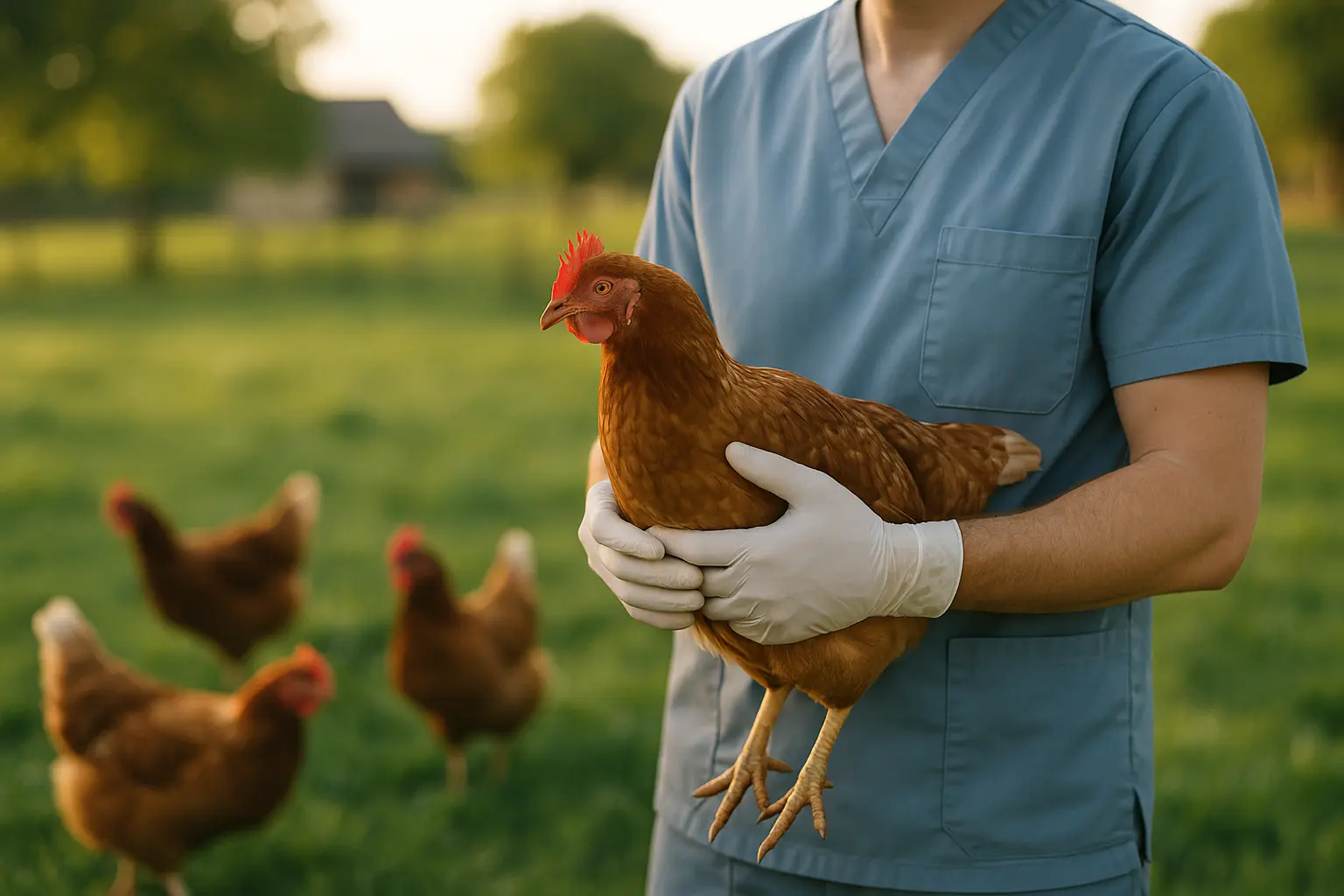
Raising poultry isn’t just about collecting fresh eggs or enjoying the lively clucking chorus every morning; it’s an investment in the well-being of living creatures. Whether you’re an experienced farmer or a beginner with a backyard flock, understanding the intricacies of veterinary care is essential. In the following exploration, we aim to equip you with the knowledge to identify common poultry diseases, effective care strategies, and when to seek professional help. Caring for your birds’ health ensures they lead vibrant and productive lives.
Understanding Common Avian Diseases
Navigating the world of poultry diseases can feel overwhelming, but knowledge is power. From minor ailments to more serious conditions, being equipped with the right information is vital. Birds, much like humans, can fall prey to a variety of illnesses. Familiarizing yourselves with these will help in early detection and effective management.
1. Respiratory Diseases
Respiratory issues are prevalent among chickens. Symptoms such as sneezing, coughing, and nasal discharge may indicate diseases like Infectious Bronchitis or Avian Influenza. These conditions often spread rapidly among flocks, making swift action crucial.
2. Parasitic Infections
Chickens are susceptible to both internal and external parasites. Worms invading the digestive system can cause lethargy and weight loss, while mites and lice may lead to discomfort and irritability. Regular health checks and maintaining proper hygiene can help ward off such infestations.
3. Nutritional Deficiencies
An unbalanced diet can lead to a host of health problems. Recognizing signs like lethargy, poor feather quality, or abnormal egg production is vital. Ensuring a balanced diet rich in essential vitamins and minerals is key to keeping your flock healthy.
4. Viral and Bacterial Infections
Diseases such as Fowl Cholera or Newcastle Disease pose significant threats. Such infections often require professional intervention, underlining the importance of a reliable veterinarian.
Establishing a Preventive Care Routine
Proactive care is the cornerstone of maintaining a healthy flock. Establishing a preventive routine ensures that your poultry remains in top condition, reducing the risk of disease and enhancing their overall quality of life.
1. Regular Health Assessments
Consistently checking your birds for any signs of distress or disease is crucial. Look out for unusual behavior, changes in appearance, or a drop in egg production. Early detection often allows for simpler, more effective solutions.
2. Vaccination Programs
Vaccinations play an invaluable role in keeping avian diseases at bay. Consult with your veterinarian to develop a vaccination schedule tailored to your flock’s specific needs.
3. Hygienic Practices
Maintaining a clean environment is essential. Regularly cleaning coops and ensuring fresh water supplies minimizes the risk of disease transmission. Implementing footbaths and limiting visitors to your flock can further reduce infection risks.
4. Nutritional Management
A balanced diet is fundamental. Offering your chickens a mix of grains, proteins, and greens will keep them healthy and thrive. Consider supplements in cases of deficiency, but do so under professional guidance.
When to Consult a Veterinarian
Knowing when to seek professional help can often mean the difference between life and death for your poultry. While many conditions can be managed at home, some scenarios necessitate veterinary intervention.
1. Persistent Symptoms
If your birds exhibit ongoing symptoms beyond a few days, it’s time to call in the experts. Chronic distress can escalate, negatively impacting the entire flock.
2. Unusual Behavior
Behavioral changes such as listlessness or aggression among animals signal underlying issues. A veterinarian can perform a thorough examination to determine the cause.
3. Outbreaks of Disease
An outbreak can quickly decimate a flock if not addressed promptly. If several birds fall ill simultaneously, immediate professional help is crucial.
4. Complex Health Issues
Certain conditions require advanced care and diagnosis tools far beyond the scope of a backyard farmer. Rely on your veterinarian for complex diagnostics and specialized medicines.
Empowering Flock Owners
Understanding your flock’s health isn’t just about reacting to problems—it’s about empowerment. Armed with the right knowledge, you ensure your birds’ well-being and embrace a rewarding partnership with your poultry.
1. Education and Resources
Enrich your understanding by attending seminars and workshops on avian health. Engage with online communities and forums where fellow enthusiasts share valuable insights.
2. Building Relationships
Forming a solid relationship with a trusted veterinarian goes a long way. Regular consultations can preempt many issues, while providing peace of mind that your flock is in capable hands.
3. Investing Time and Care
Time spent observing your chickens is never wasted. Every moment offers a learning opportunity, enhancing your ability to spot potential issues early. A little effort goes a long way in ensuring the best for your feathery companions.
4. Embracing Modernity
The world of poultry care is ever-evolving. Stay updated with the latest trends and technologies in veterinary medicine. Your flock deserves nothing less than the best care possible.
Caring for your poultry involves more than feeding and housing them; it demands vigilance, proactive measures, and sometimes professional intervention. By committing to learning about avian diseases, establishing preventive routines, and knowing when to consult a veterinarian, you ensure your flock’s vitality and longevity. Your animals rely on you for their well-being—so equip yourselves with the skills and knowledge to provide them with the best care possible. Remember, a healthy flock is a happy flock, and that begins and ends with you.
FAQ
What are common signs that my poultry may be unwell?
Poultry may exhibit signs of illness through changes in behavior or appearance. Common indicators include lethargy, reduced appetite, drooping wings, discoloration of feathers, and respiratory issues such as wheezing or sneezing.
How often should I conduct health checks on my flock?
It is recommended to perform regular health checks at least once a week. This involves observing each bird for any signs of illness, checking feathers for parasites, and ensuring that their environment is clean and safe.
What are some immediate steps to take if I suspect a chicken is sick?
If you suspect a chicken is sick, isolate it from the rest of the flock to prevent the spread of disease. Provide fresh water and food, and observe the bird closely for additional symptoms. Contact a veterinarian for further advice if needed.
When should I seek professional veterinary help for my poultry?
Seek veterinary assistance when your poultry exhibits severe or persistent symptoms, such as prolonged lack of appetite, difficulty breathing, or unusual swellings. Early intervention can prevent the condition from worsening.
What are some preventive measures to maintain the health of my poultry?
To maintain poultry health, ensure they have a balanced diet, access to clean water, and a clean living environment. Regularly check for and control parasites, vaccinate against common diseases, and provide adequate space and ventilation.